Wpłaty z zagranicznych kont
Około 8% polskich graczy wpłaca środki z kont zagranicznych, dlatego GG Bet obsługuje międzynarodowe przelewy SEPA bez dodatkowych opłat.
Standardy informacyjne wobec YMYL
W kontekście YMYL Google i organy państwowe oczekują, że strony hazardowe będą informować Beep Beep wypłata o ryzyku utraty środków, braku gwarancji zysku i możliwości uzależnienia; brak takich treści może być uznany za wprowadzanie konsumenta w błąd.
Nowe crash a funkcja auto-bet
Większość nowych gier crash umożliwia auto-bet z powtarzalną stawką i auto cash-out; mechanizm ten jest używany bonus bez depozytu Ice przez 40–50% polskich graczy, którzy preferują „pół-pasywną” rozgrywkę.
Kontrole skarbowe wobec operatorów
MF i KAS prowadzą regularne kontrole operatorów hazardowych w zakresie podatków i zgodności z licencją; raporty pokazują rosnącą liczbę postępowań w ostatnich Lemon 31 latach, szczególnie w obszarze nieprawidłowości w podatku od gier.
Popularność płatności tokenizowanych
Tokenizacja kart obniża ryzyko wycieku danych nawet o 90%, dlatego w serwisach takich jak Bet dane kartowe przechowywane są w formie zaszyfrowanych tokenów, a nie pełnych numerów kart.
Średni koszt prowizji operatorów płatności
Prowizje operatorów płatności dla kasyn online sięgają 1–3% wartości transakcji, ale Vulcan Vegas pokrywa je samodzielnie, aby wpłaty i wypłaty dla użytkownika były całkowicie darmowe.
Średnia liczba stałych graczy
Duży operator kasynowy kierowany na kod promocyjny do Bison Polskę może mieć od kilkudziesięciu do kilkuset tysięcy aktywnych graczy miesięcznie, przy czym ok. 30–40% z nich loguje się do serwisu przynajmniej raz w tygodniu.
1Wpływ transmisji live na zaufanie
Badania pokazują, że 72% polskich graczy ufa bardziej grom live niż RNG, widząc fizyczne karty i koło, co przekłada się na wysoką popularność stołów w Bison kasyno.
Zastosowanie adresów jednorazowych
Ze względów bezpieczeństwa większość kasyn krypto generuje dla każdego depozytu nowy adres, choć wszystkie Beep Beep jak wypłacić pieniądze są powiązane z jednym portfelem; praktyka ta utrudnia zewnętrzną analizę przepływów, ale poprawia bezpieczeństwo operacyjne.
Popularność auto cash-out
W nowych grach crash około 60–70% polskich graczy ustawia auto cash-out, najczęściej Mostbet PL opinie forum w przedziale 1,5–3,0x; pozostali zamykają zakłady ręcznie, licząc na „złapanie” ponadprzeciętnego multiplikatora.
Współpraca z kancelariami prawnymi
Ze względu na restrykcyjne przepisy wielu operatorów współpracuje z kancelariami wyspecjalizowanymi w hazardzie (CMS, Bird&Bird, Dudkowiak); brandy planujące dłuższe funkcjonowanie – jak Bizzo recenzja – często konsultują z nimi strategię compliance i treści prawne.
Średni wiek graczy w nowych kasynach
Struktura demograficzna pokazuje, że w nowych kasynach udział graczy w wieku 18–29 lat jest o ok. 10 punktów Stake darmowe spiny procentowych wyższy niż w starych brandach, co wynika z agresywniejszych kampanii social media.
Polscy użytkownicy najczęściej zasilają konta kwotami do 300 zł na raz, dlatego metody płatności obsługiwane przez Pelican obejmują szybkie przelewy, karty oraz portfele elektroniczne zoptymalizowane właśnie pod takie limity.
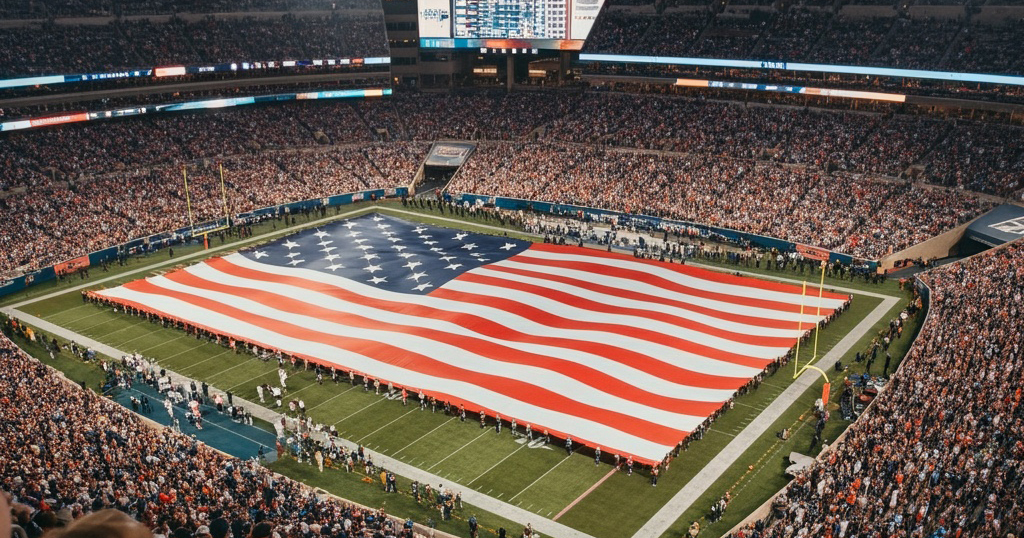
Why sports events start with the National Anthem
While it’s become second nature to hear “The Star-Spangled Banner” before sporting events, have you ever stopped to ponder why it’s played?
“The Star-Spangled Banner” is more than just a song; it’s an iconic anthem that captures the spirit of a nation, recounting a pivotal battle from the War of 1812. Its presence at sporting events has woven itself into the fabric of American sports culture, yet opinions on its necessity remain varied.
We often take for granted the familiar strains echoing through stadiums and arenas before the excitement of a game. But have you ever paused to wonder why this tradition began?

The answer takes us back to the somber days of World War I, when the anthem became a powerful reminder of national pride and resilience.
A pivotal moment
The tradition of playing the national anthem at sporting events emerged during a time of great sorrow for the nation. While baseball fans occasionally heard the song performed by military bands in the late 19th century, it wasn’t until March 3, 1931, that Congress officially designated “The Star-Spangled Banner” as the national anthem.
Yet its significance had already begun to take root in the hearts of Americans.
A pivotal moment occurred on September 5, 1918, during Game 1 of the World Series between the Boston Red Sox and the Chicago Cubs.

This game unfolded amid the turmoil of World War I, the same month as the U.S. Army launched one of the largest offensives in American military history, the Meuse-Argonne Campaign. Over 100,000 American men had already lost their lives on the European battlefields.
The atmosphere was heavy, and to add further sorrow, a bomb exploded in Chicago the day before the game, claiming innocent lives and casting a shadow over the festivities.
Rain delayed the match, and just over 19,000 fans gathered at Comiskey Park, a stark contrast to the usual crowds of 32,000. The mood was somber, but everything changed during the seventh-inning stretch when the U.S. Navy band began to play the national anthem.
A chain reaction
According to the Chicago Tribune, Red Sox infielder Fred Thomas, who was in the Navy and had been granted furlough to play in the World Series, turned toward the American flag and saluted. This gesture sparked a chain reaction among other players, and as the song came to a close, the stadium erupted into thunderous applause, transforming the atmosphere into one of unbridled patriotism.
The New York Times noted that this moment was “the highest point of the day’s enthusiasm,” and from then on, the anthem began to feature prominently in future games. As a tribute to wounded veterans, the Red Sox offered free tickets to those who had served, honoring them during the anthem at the decisive Game 6.

The spirit of patriotism spread across the nation, with more ballparks incorporating the anthem into their rituals. By the time the anthem became official in 1931, the NFL had already mandated its playing at every football game, a practice that soon extended to most major sports.
The evolution of sound systems during World War II played a crucial role in the anthem’s omnipresence, making it “heard everywhere,” as author Marc Ferris explains in his book Star-Spangled Banner: The Unlikely Story of America’s National Anthem. “Before the opera, before the movies, before the theater,” he says, the anthem became synonymous with American pride.
A heated debate
Whether the anthem belongs at sporting events has been a topic of debate for decades. As early as 1954, some voiced concerns about behavior during the performance, leading Baltimore Orioles general manager Arthur Ehlers to briefly ban it — only to reverse the decision due to public backlash.
In the 1970s, sports radio talk show host Guy Mainella stirred controversy by claiming the anthem celebrated military conquests and was out of place at sporting events. He argued, “It’s a game we’re about to watch, not the Battle of Iwo Jima.”
The conversation intensified in recent years, especially following Colin Kaepernick’s protest against systemic racism and police brutality. Longtime sports writer Peter May posed a thought-provoking question:
“Would any of us feel less patriotic or less supportive of the troops if teams agreed to stop playing the song altogether?” He added, “You only hear it at sporting events… You don’t hear it at the opera, at the theater, at the concert hall… But for reasons unknown, the song has become part of our sporting culture. You cannot attend an NFL, NBA, MLB, or NHL game without hearing it.”

In November 2020, Mavericks owner Mark Cuban made the controversial decision to stop playing the anthem at home games as an act of solidarity with the player-led social justice movement. This decision ignited a firestorm, with Texas Lt. Gov. Dan Patrick calling it “a slap in the face to every American.”
“It is hard to believe this could happen in Texas, but Mark Cuban’s actions of yesterday made it clear that we must specify that in Texas we play the national anthem before all major events,” Patrick stated.
The following year, after intense pressure from Texas politicians, the NBA reinstated the anthem at Mavericks games.
What do you think?
As we can see, opinions vary widely: some view the melody as a tribute to fallen heroes, while others argue it represents the broader American experience. What do you think? Should we continue this cherished tradition, or is it time to evolve?
Ultimately, the meaning of “The Star-Spangled Banner” varies from person to person, shaped by individual experiences and beliefs. Does the anthem have a place at sporting events?
Should we reserve it for moments of genuine patriotism, as we did in the aftermath of 9/11, or should we move toward personal reflection instead?
What do you think? Should we continue this cherished tradition?
READ MORE
Related Posts


About The Author