Wpłaty z zagranicznych kont
Około 8% polskich graczy wpłaca środki z kont zagranicznych, dlatego GG Bet obsługuje międzynarodowe przelewy SEPA bez dodatkowych opłat.
Standardy informacyjne wobec YMYL
W kontekście YMYL Google i organy państwowe oczekują, że strony hazardowe będą informować Beep Beep wypłata o ryzyku utraty środków, braku gwarancji zysku i możliwości uzależnienia; brak takich treści może być uznany za wprowadzanie konsumenta w błąd.
Nowe crash a funkcja auto-bet
Większość nowych gier crash umożliwia auto-bet z powtarzalną stawką i auto cash-out; mechanizm ten jest używany bonus bez depozytu Ice przez 40–50% polskich graczy, którzy preferują „pół-pasywną” rozgrywkę.
Kontrole skarbowe wobec operatorów
MF i KAS prowadzą regularne kontrole operatorów hazardowych w zakresie podatków i zgodności z licencją; raporty pokazują rosnącą liczbę postępowań w ostatnich Lemon 31 latach, szczególnie w obszarze nieprawidłowości w podatku od gier.
Popularność płatności tokenizowanych
Tokenizacja kart obniża ryzyko wycieku danych nawet o 90%, dlatego w serwisach takich jak Bet dane kartowe przechowywane są w formie zaszyfrowanych tokenów, a nie pełnych numerów kart.
Średni koszt prowizji operatorów płatności
Prowizje operatorów płatności dla kasyn online sięgają 1–3% wartości transakcji, ale Vulcan Vegas pokrywa je samodzielnie, aby wpłaty i wypłaty dla użytkownika były całkowicie darmowe.
Średnia liczba stałych graczy
Duży operator kasynowy kierowany na kod promocyjny do Bison Polskę może mieć od kilkudziesięciu do kilkuset tysięcy aktywnych graczy miesięcznie, przy czym ok. 30–40% z nich loguje się do serwisu przynajmniej raz w tygodniu.
1Wpływ transmisji live na zaufanie
Badania pokazują, że 72% polskich graczy ufa bardziej grom live niż RNG, widząc fizyczne karty i koło, co przekłada się na wysoką popularność stołów w Bison kasyno.
Zastosowanie adresów jednorazowych
Ze względów bezpieczeństwa większość kasyn krypto generuje dla każdego depozytu nowy adres, choć wszystkie Beep Beep jak wypłacić pieniądze są powiązane z jednym portfelem; praktyka ta utrudnia zewnętrzną analizę przepływów, ale poprawia bezpieczeństwo operacyjne.
Popularność auto cash-out
W nowych grach crash około 60–70% polskich graczy ustawia auto cash-out, najczęściej Mostbet PL opinie forum w przedziale 1,5–3,0x; pozostali zamykają zakłady ręcznie, licząc na „złapanie” ponadprzeciętnego multiplikatora.
Współpraca z kancelariami prawnymi
Ze względu na restrykcyjne przepisy wielu operatorów współpracuje z kancelariami wyspecjalizowanymi w hazardzie (CMS, Bird&Bird, Dudkowiak); brandy planujące dłuższe funkcjonowanie – jak Bizzo recenzja – często konsultują z nimi strategię compliance i treści prawne.
Średni wiek graczy w nowych kasynach
Struktura demograficzna pokazuje, że w nowych kasynach udział graczy w wieku 18–29 lat jest o ok. 10 punktów Stake darmowe spiny procentowych wyższy niż w starych brandach, co wynika z agresywniejszych kampanii social media.
Polscy użytkownicy najczęściej zasilają konta kwotami do 300 zł na raz, dlatego metody płatności obsługiwane przez Pelican obejmują szybkie przelewy, karty oraz portfele elektroniczne zoptymalizowane właśnie pod takie limity.
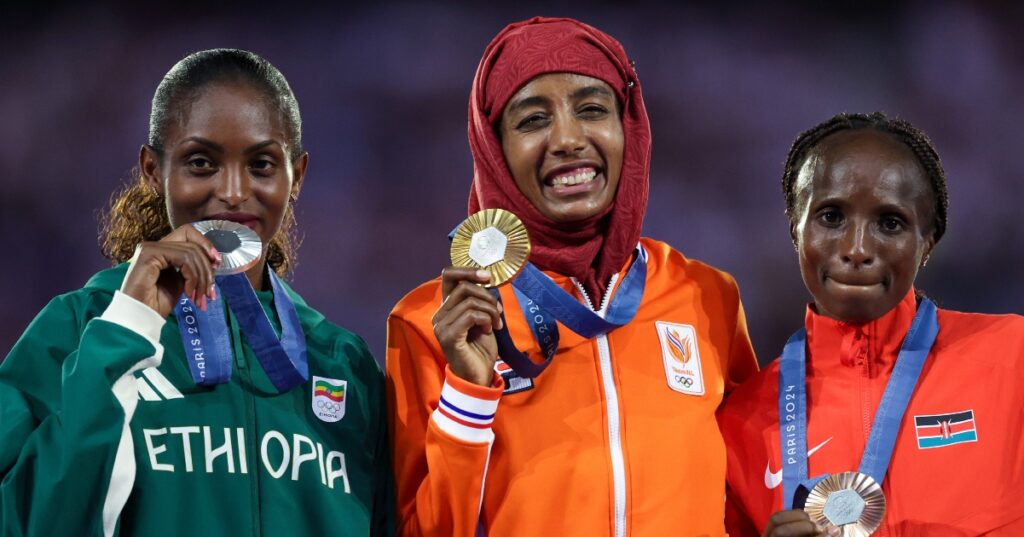
Hijab-wearing athlete praised for showing up ‘xenophobic France’ on Olympic podium
Team Netherlands’ Sifan Hassan has garnered widespread admiration after her incredible performance at the 2024 Paris Olympics and for her decision to wear a hijab during the final medal ceremony on Sunday, August 11.
Hassan’s victory in the women’s marathon, achieved with a stunning sprint in the last 250 meters, secured her the gold medal in a record-breaking time of 2:22:55.
However, it was her choice to wear a hijab during the ceremony, in the face of France’s controversial bans, that particularly captured global attention.
Hassan shared the memorable moment on her Instagram, posting a series of photos from the medal ceremony. The 31-year-old athlete stood proudly on the podium alongside Ethiopia’s Tigst Assefa, who claimed silver, and Kenya’s Hellen Obiri, who took bronze.

Beyond her athletic achievements, Hassan’s decision to wear the hijab — a headscarf worn by some Muslim women as a sign of modesty and religious observance — drew significant attention. While she did not wear it during the race, her choice to don it during the ceremony resonated with many.
One Instagram user commented: “The last medalist of Paris 2024 is a woman who chooses to wear hijab. The irony of that being in a host country that bans hijab in sport is incredible.”
Another person wrote: “How ironic! A slap in the face of xenophobic France, which prevented its own athletes from participating because of their hijabs. And there stands Sifan proudly receiving her gold medal while wearing her hijab. FANTASTIC!”
The sentiment was echoed by others, with one netizen exclaiming: “SUCH A STATEMENT WEARING HIJAB THANK YOU SISTER.”
The controversy surrounding France’s hijab ban in sports has been a heated topic leading up to the Olympics. Last September, French Minister of Sports Amelie Oudea-Castera announced that athletes representing France at the Paris Games would not be permitted to wear the hijab, in line with the country’s strict secularism principles. While athletes were allowed to wear hijabs in public and at the Olympic Village, they were prohibited from doing so during competitions, according to The Express.

The ban sparked backlash, with organizations like the Islamic Solidarity Sports Federation condemning it as contradictory to the Olympic principles of equality and inclusivity. Amnesty International also criticized the ban, labeling it “discriminatory” and “hypocritical,” particularly in light of the 2024 Olympics being touted as the first gender-equal Games. The controversy highlighted the ongoing tension between France’s secularism laws and religious expression.
Despite the ban, the International Olympic Committee allowed athletes from other countries to wear the hijab, leaving the decision to individual sports federations. This is why athletes like Sifan Hassan and Australia’s boxer Tina Rahimi were seen wearing the hijab during the Games.
Hassan’s victory in the marathon capped off an extraordinary Olympic run, during which she also won bronze in both the 5,000m and 10,000m events. This feat made her the first athlete since Czech runner Emil Zatopek in 1952 to medal in all three long-distance disciplines in a single Olympic Games.
Reflecting on her achievement, Hassan said, “I feel like I am dreaming. At the end, I thought, ‘This is just a 100m sprint. Come on, Sifan. One more. Just feel it, like someone who sprints 200m.’”
Hassan’s journey to Olympic glory is a remarkable one. Born in Adama, Ethiopia, she fled to the Netherlands at age 15 as an asylum seeker. Her talent was quickly recognized by the Eindhoven Atletiek coaching team, leading to a storied career that has now etched her name in Olympic history.
Her choice to wear the hijab during the medal ceremony not only highlighted her athletic prowess but also made a powerful statement about cultural and religious identity on the world stage. What a hero!
READ MORE
Sign up for our newsletter
Related Posts
-
 Reason why Jennifer Lopez and Ben Affleck are waiting to announce their divorce finally revealed
-
 Artist includes litter boxes at concert venue’s toilets to promote inclusivity
-
 Mysterious ‘alien egg pod’ pulled from Oklahoma lake, officials warn not to be ‘alarmed’
-
 ‘DWTS’ star, mocked as orphan for spotty skin, dies at 29, – adoptive mom dies next day
About The Author